The Short Answer
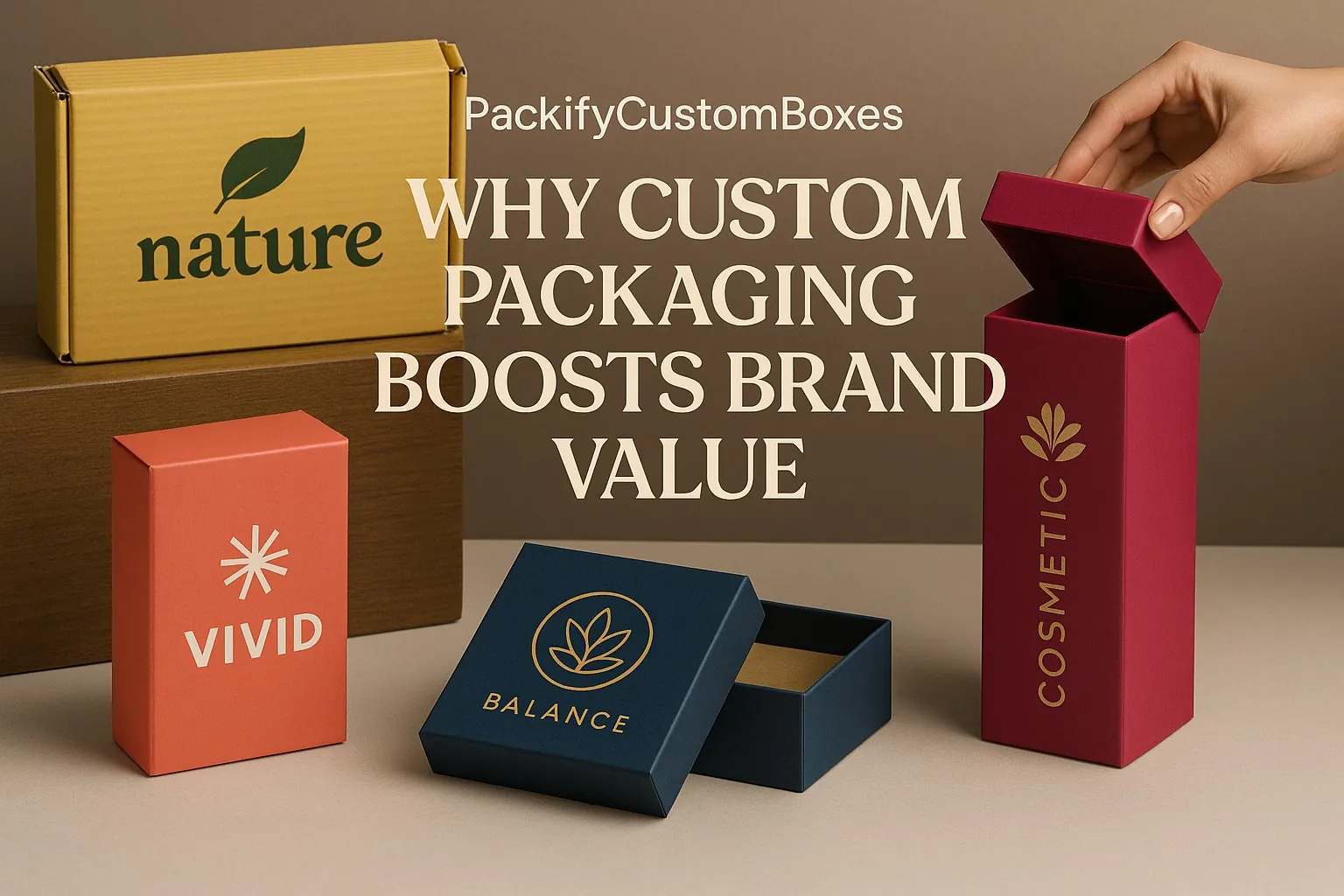
Custom packaging boosts brand value by turning the one object every customer physically holds into branded media. A custom printed box carries logo, color, and message to a buyer at the exact moment their attention is highest, raises the perceived value of what is inside, and prompts the social sharing that markets the brand for free. It is the highest-frequency media a brand owns.
The Box Is Owned Media, Not Overhead
Every brand already ships a box; the question is whether that box works. Unlike an email a customer can ignore or an ad they can scroll past, packaging reaches every single buyer and is opened by essentially all of them. That is a full-attention impression a brand has already paid for through shipping, whether or not it prints anything on the panel. Custom packaging converts that unavoidable cost into a branding asset. A plain brown box spends the impression on nothing; branded packaging spends it on brand recognition. The economics favor the printed box because the shipping expense is fixed either way, so the incremental cost of print is buying an impression the brand would otherwise waste. Treating the box as owned media, rather than as overhead, is the mental shift the whole business case rests on. The comparison with digital channels is stark. An email campaign fights for a fraction of inboxes and a smaller fraction of opens; a paid ad competes for a sliver of attention against everything else on the screen. The box has none of those leaks. It arrives, it is opened, and for a few seconds it has the customer entirely, with no algorithm deciding whether the message is seen. No other channel a brand owns delivers that combination of total reach and undivided attention, which is why a printed box is among the most efficient brand impressions available.
Print Surface: The Cheapest Brand Impression
The exterior and interior panels of a box are print real estate most brands underuse. Full-color CMYK printing with Pantone PMS matching keeps a brand color exact across every run, which is what makes a brand recognizable at a glance before a single word is read. Consistent color is not a design nicety; it is the mechanism of brand recognition, and packaging is where a customer sees it most often. Interior printing doubles the surface. The inside of a mailer or the reveal panel of a rigid box is the first thing a customer sees when the flaps open, and a printed interior turns the open-box moment into a second branded impression at no extra structural cost. A brand that prints only the outside is leaving half its owned media blank. Custom printed boxes that carry artwork inside and out make every angle of the unboxing a brand touchpoint.
Structure Signals Quality Before the Product Does
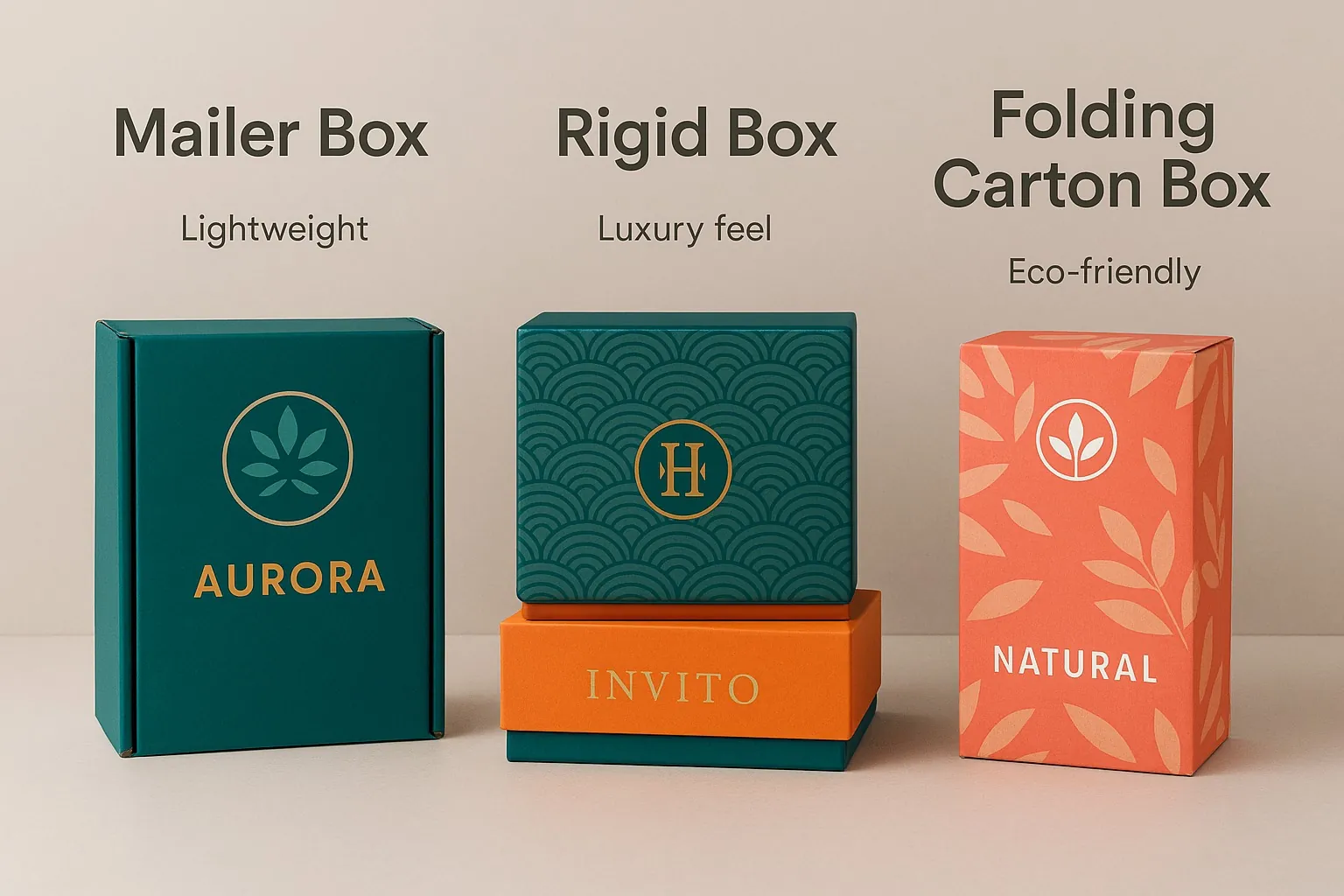
Structure communicates price tier faster than print. A rigid box with a magnetic closure feels expensive in the hand, and that tactile signal transfers to the product inside through what psychologists call the halo effect: the perceived quality of the package becomes the expected quality of the contents. Luxury packaging exists because the structure does persuasive work the product cannot do until it is used. The format is a deliberate brand decision, not a default. A magnetic closure box or a two-piece rigid box suits a premium positioning; a well-printed mailer box suits an accessible, modern one. Matching the structure to the brand tier is how packaging raises perceived value honestly, by setting an expectation the product then meets. A mismatch works against the brand in either direction, so the structure should say exactly what the price point promises. The table below maps common formats to the brand signal each one sends.
| Format | Brand signal | Best for | Print surface |
|---|---|---|---|
| Custom mailer box | Modern, accessible, considered | DTC e-commerce, subscriptions | Exterior + interior |
| Rigid two-piece box | Premium, gift-grade, lasting | Luxury goods, special editions | Wrap + interior reveal |
| Magnetic closure box | High-end, ritual opening | Electronics, jewelry, cosmetics | Lid + inner tray |
| Tuck-end carton | Clean, retail-ready, efficient | Retail shelf, lightweight goods | All outer panels |
Explore Our Packaging
Consistency Is the Multiplier
A single well-designed box is a nice touch; a consistent packaging system is brand equity. When the mailer, the tissue, the tape, and the insert all share one visual identity, and that identity matches the website and the social feed, each touchpoint reinforces the others. Consistency across touchpoints is what turns scattered impressions into recognition, and recognition is what lets a customer identify a brand before reading its name. This is why a packaging system beats a one-off beautiful box. Setting clear rules for logo placement, brand colors, and material across every package size means a growing catalogue still reads as one brand. The unboxing experience becomes repeatable, and a repeatable experience is what a customer remembers and expects next time. Brand value compounds when every shipment tells the same story rather than a slightly different one, because recognition is built through repetition and repetition only works when the elements stay consistent.
The Unboxing Becomes Free Marketing
A branded unboxing experience is the rare marketing that customers perform for the brand. A distinctive, well-finished package is the kind of thing buyers photograph and post, and each share puts the brand in front of an audience the brand did not pay to reach. A large share of shoppers say they would share an attractive or branded delivery on social media, which turns a single box into organic reach. The effect is strongest when the package is designed to be seen on camera. Clean color, a crisp logo, and an interior that photographs well make the box share-worthy, and share-worthy packaging converts one customer into an introduction to many. This is why brands increasingly design the unboxing for the phone camera as much as for the hand. The box that looks good in a photo does double duty as product delivery and as advertising.
The Insert Is Where Loyalty Is Built
The highest-leverage brand surface is often the smallest: the insert. A printed card, a discount code for the next order, or a short note tied to what the customer actually bought converts a delivery into a relationship. Unlike the outer box, which sells the brand to a stranger scrolling past a photo, the insert speaks to a customer who has already bought and is the cheapest tool for turning a first purchase into a second. The insert also carries the practical brand story. A line noting that the box is recycled-content corrugated, a QR code to a how-to, or a reorder prompt each does a specific job in the moment of highest goodwill. This is where a brand earns the repeat purchase that makes acquisition cost worthwhile, because a returning customer costs far less to sell to than a new one. A thoughtful insert is small, inexpensive, and disproportionately effective at the one thing brands most need: getting the customer back.
Protection Is Part of Brand Value
A beautiful box that arrives crushed destroys brand value faster than a plain one that arrives intact. Damaged deliveries are among the strongest drivers of customer churn, because a broken product turns anticipation into disappointment at the exact moment the brand was trying to impress. Structural fit is therefore a brand decision as much as an engineering one: a box cut to the product, with the right board grade and a snug interior, protects both the item and the impression. This is where perceived value and physical reality have to agree. Premium print on a flimsy box that fails in transit sends a contradictory message, while a well-built box that holds the product reinforces the quality the printing promised. Right-sizing the box to the product removes the void that lets an item shift and cuts the damage returns that quietly erode margin. The same fit that protects the product also trims shipping costs, since a smaller box lowers the billable weight the carrier charges. Protection and presentation are the same investment viewed from two sides, and brand value depends on getting both right.
What This Is Worth to a Brand
The return on custom packaging shows up in perceived value, repeat purchase, and organic reach rather than in a single line on a spreadsheet. Industry research consistently points in one direction: a premium unboxing meaningfully lifts the likelihood a customer buys again, and a well-fitted box that protects the product cuts the damage returns that quietly erode margin. The exact figures vary by source and category, but the direction is consistent enough to plan around. For a small brand the entry cost is low and the math is favorable. Packify produces custom mailer boxes, rigid boxes, and magnetic closure boxes with full-color and Pantone printing, inside and out, with no minimum order, so a brand can test a custom run without committing to volume. Production runs 8 to 10 business days and shipping is free across the continental US. The box is media a brand is already paying to send; printing it well is how that spend starts working twice, once as delivery and once as marketing. Few marketing decisions offer that kind of leverage on a cost the brand cannot avoid in the first place.
Frequently Asked Questions
Our Packaging Products
Elevate Your Brand With Custom Packaging
Get packaging designed for your brand. Free shipping. No minimums.
Start TodayAuthor
Nadia Okonkwo
Nadia Okonkwo spent a decade as a brand director for consumer goods companies, where she treated packaging as the highest-frequency media a brand owns. She writes about turning structural and print decisions into measurable brand equity.