The Short Answer
Eco-friendly packaging in 2026 is driven by regulation, not consumer preference. Extended Producer Responsibility fees, PFAS restrictions on food-contact packaging, and truth-in-labeling laws now determine which materials a brand can put in a box. The trend is a shift from green marketing to material compliance, and recycled-content, recyclable, mono-material packaging is how brands stay ahead of it.
What Eco-Friendly Packaging Means Now
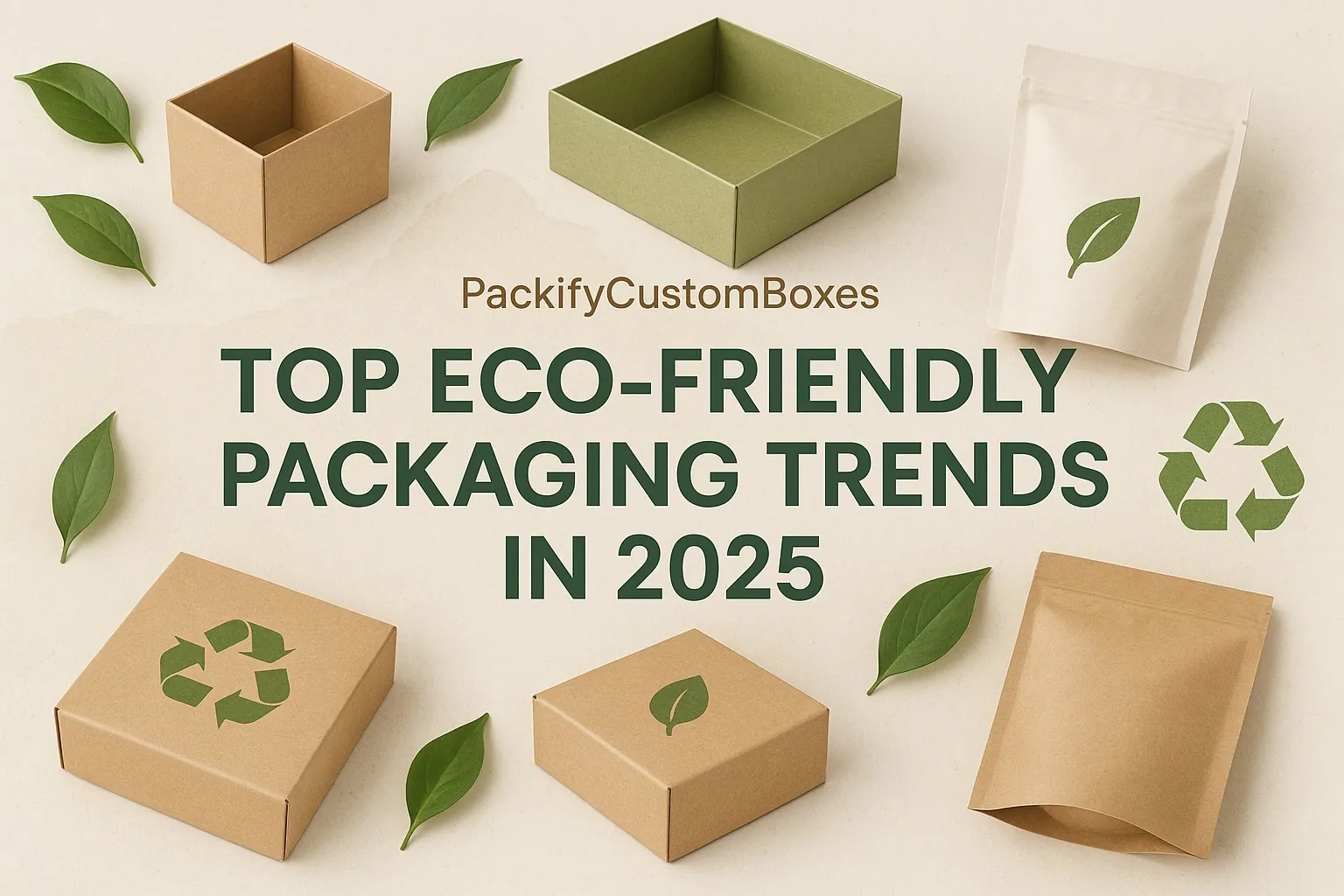
Eco-friendly packaging is packaging designed to be recyclable, made with recycled content, and free of restricted chemicals, minimizing waste across its life cycle. The definition tightened in 2026 because regulators, not marketers, now set it. A vague claim of sustainable packaging no longer satisfies a shopper or a state agency; the material has to be demonstrably recyclable and honestly labeled. Sustainable packaging is now judged on evidence, not adjectives. The practical baseline has three parts: a recyclable structure, verified recycled content where possible, and the absence of substances like PFAS that block recycling or trigger a ban. Recycled-content corrugated, kraft paperboard, and paper-based mailers meet that baseline today, which is why they moved from premium options to default expectations. Recycled content itself has a spectrum worth understanding. Post-consumer recycled fiber comes from material a household already used and returned to the stream, while post-industrial content is manufacturing offcut; both reduce virgin fiber demand, but post-consumer content is the stronger sustainability signal and the one regulators and shoppers weigh most heavily. Corrugated board is already among the most recycled materials in the US waste stream, which is why a recycled-content corrugated box is both easy to source and easy to defend as a genuine environmental choice rather than a claim.
EPR Laws Are the Force Reshaping the Box
Extended Producer Responsibility, or EPR, is the single largest force on packaging in 2026. EPR shifts the cost of collecting and recycling packaging from municipalities onto the producer, and it ties the fee a brand pays to the material, weight, and recyclability of what it ships. Seven US states have passed packaging EPR laws, and roughly one-fifth of the US population now lives under one. The mechanism rewards exactly the materials that were already trending. EPR fees are modulated: hard-to-recycle plastics and mixed materials cost more, while readily recyclable, lightweight, mono-material packaging costs less. A brand that switches an oversized plastic-lined mailer for a right-sized recycled paper one lowers both its shipping cost and its EPR exposure in the same move. Because EPR operates state by state, a brand selling across state lines can trigger obligations in several jurisdictions at once, which makes recyclable-by-default materials the safe design choice. The programs are also maturing from paperwork into enforcement. Early EPR laws focused on registration and framework-building; in 2026 many shift to active reporting, fee collection, and audits, with producers in states like California, Colorado, and Oregon filing supply reports that catalogue the material and weight of everything they ship. That reporting turns every packaging decision into a line item a brand will later have to account for, which is why teams are simplifying materials now rather than explaining complicated ones later.
PFAS Bans Are Rewriting Grease-Resistant Packaging
PFAS restrictions are forcing a materials change in any packaging that touches food. PFAS, the class of fluorinated chemicals long used to make paper grease- and water-resistant, are being phased out of food-contact packaging through state laws and, for brands selling into the EU, the Packaging and Packaging Waste Regulation taking effect in August 2026. States including Minnesota, Maine, and New Mexico are phasing out intentionally added PFAS in consumer goods. For a food or bakery brand this is concrete, not abstract. The grease-resistant coating on a box now needs to come from a PFAS-free alternative rather than the fluorinated chemistry that was standard for decades. The good news is that PFAS-free packaging is widely available: PFAS-free grease-resistant paperboard prints the same as the old stock, so the switch is a specification change rather than a redesign. Brands should confirm the coating on any food-contact box is PFAS-free with their supplier.
Explore Our Packaging
Recyclability Claims Now Carry Legal Weight
Saying a package is recyclable is now a regulated claim, not a marketing flourish. California’s SB 343 truth-in-labeling law restricts when the word recyclable and the chasing-arrows symbol can be used, requiring that the material actually be collected and recycled at scale. Similar labeling bills are moving in Massachusetts and other states, and the EU’s rules demand life-cycle evidence behind environmental claims. The effect is that honest, specific material language beats vague green branding. Stating that a box is made from recycled-content corrugated and is kerbside recyclable is a verifiable fact a brand can defend. Claiming a package is eco-friendly or planet-saving without substantiation is now a legal risk. The trend rewards brands that describe the material plainly and drop the unprovable superlatives, which is also what shoppers have learned to trust.
The Material Shifts Worth Making
The dominant 2026 material trend is mono-material design: packaging made from a single, easily recycled material rather than a laminate of several. A mixed paper-and-plastic pouch is hard to recycle and expensive under EPR; a mono-material paper mailer or a recycled-content corrugated box drops cleanly into a curbside stream. Simplifying the material is now both the greener and the cheaper choice. Right-sizing compounds the benefit. A box cut to the product uses less material, weighs less, and because EPR fees scale with weight, costs less to comply with. The same right-sizing that trims shipping costs also trims the EPR bill, so the two savings arrive together. Recycled-content corrugated, kraft paperboard, plastic-free paper mailers, and water-based or soy-based inks form the practical toolkit: recyclable, widely available, and honest to label. None of them require a brand to sacrifice print quality or protection to qualify as sustainable. The table below maps the common options to how they recycle and how they sit under EPR.
| Material | Recyclable? | EPR fee posture | Best for |
|---|---|---|---|
| Recycled-content corrugated | Yes, kerbside | Low (mono-material, light) | Shippers, mailer boxes, most e-commerce |
| Kraft paperboard | Yes, kerbside | Low | Tuck boxes, retail cartons |
| Plastic-free paper mailer | Yes, kerbside | Low | Apparel and soft goods |
| Mixed paper/plastic laminate | Rarely accepted | High (multi-material) | Avoid where a paper option works |
| Compostable film or board | Industrial compost only | Varies by program | Barrier needs where composting exists |
Reuse, Refill, and Designing Out Material
The regulation does not only push toward recyclable materials; it pushes toward using less material in the first place. The EU’s Packaging and Packaging Waste Regulation explicitly requires packaging to minimize weight and volume while keeping its function, and several US state EPR frameworks reward source reduction directly. The greenest component in any package is the one that was never made, which is why 2026 packaging design starts by removing parts rather than swapping them. In practice that means collapsing a carton and a separate insert into a single die-cut structure, dropping a plastic window a product does not need, and choosing a mailer over a box for goods that do not require six rigid panels. Each removed component cuts material cost, shipping weight, and EPR fee exposure at once. Reuse and refill formats are growing in retail for the same reason, though for most direct-to-consumer brands the immediate win is simpler: a lighter, single-material package that recycles cleanly and costs less to ship.
Why Smaller Brands Feel This First
A common misconception is that EPR and chemical-restriction laws only touch large national brands. In reality, obligations often depend on how and where a brand sells, not only its size, and a small brand shipping direct-to-consumer across state lines can trigger requirements in several jurisdictions at once. The compliance layer that used to be a large-company problem is now a small-company reality, arriving through the same interstate e-commerce that made the brand possible. The reassuring part is that the right material choice resolves most of the exposure without a compliance team. Recyclable, mono-material, right-sized packaging is simultaneously the lowest-fee option under EPR, the safest under recyclability-claim laws, and the cheapest to ship. A small brand that defaults to recycled-content corrugated and PFAS-free coatings has already made the decision that most of the 2026 rules are steering toward, long before any specific deadline forces the issue.
What a Small Brand Should Actually Do
A small brand does not need a sustainability department to keep up; it needs to make a few material decisions deliberately. Choose recycled-content corrugated or kraft over virgin mixed materials, confirm any food-contact coating is PFAS-free, right-size the box to cut both material and weight, and describe the result in plain, verifiable language rather than green superlatives. Those four moves cover the bulk of what 2026 regulation is pushing toward. Packify produces recycled-content mailer boxes, kraft tuck boxes, plastic-free paper mailers, and boxes printed with water-based and soy-based inks, with compostable stock available where it fits the product. There is no minimum order, production runs 8 to 10 business days, and shipping is free across the continental US. Packify supplies the materials and prints the honest claim; a brand and its regulatory advisers determine which specific EPR and labeling obligations apply to its markets. Choosing a recyclable, right-sized box is the decision that satisfies the regulation and the shopper at once, and it is the one move that keeps paying off as more states bring their own rules online.
Frequently Asked Questions
Our Packaging Products
Elevate Your Brand With Custom Packaging
Get packaging designed for your brand. Free shipping. No minimums.
Start TodayAuthor
Priya Ramanathan
Priya Ramanathan is a packaging sustainability consultant who has spent eight years helping consumer brands re-engineer materials ahead of Extended Producer Responsibility deadlines. She writes about the collision of packaging design, chemistry, and environmental policy.